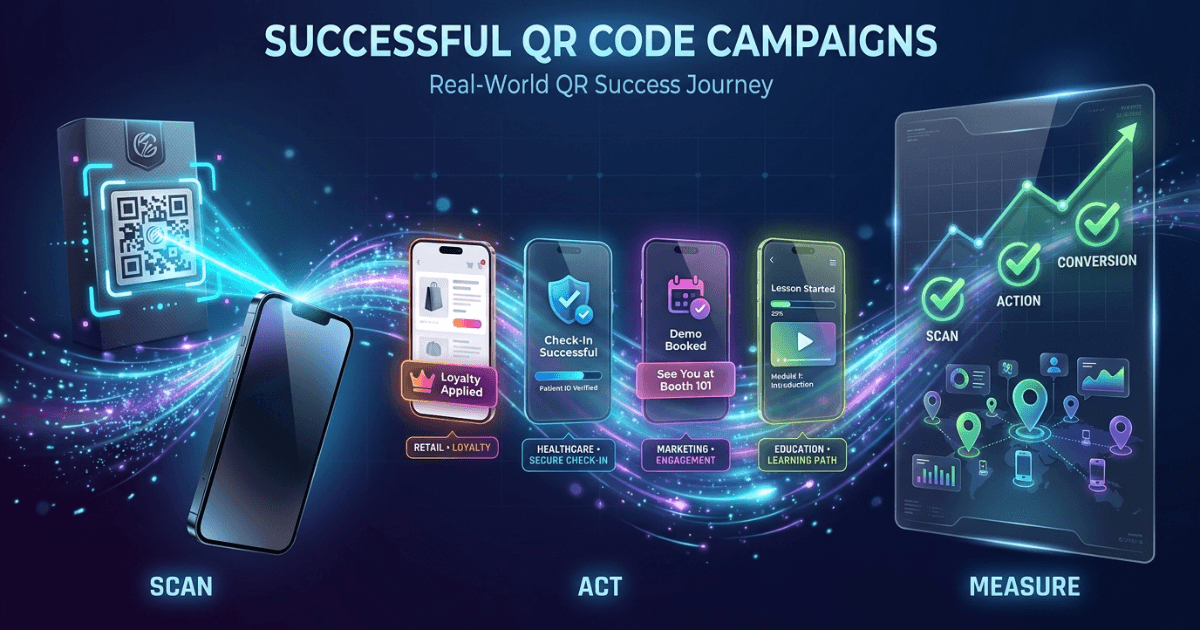
Successful QR code campaigns work when the scan solves a real problem fast. They are strongest when the code sits at the point of need, the landing page loads cleanly, and the team can measure each scan.
For software engineers and technical decision makers, the main question is not whether QR codes work. It is whether the system behind them is reliable, trackable, and easy to update. For broader context on QR basics, see The Ultimate Guide to QR Codes: From Basics to Branded Solutions and Static vs Dynamic QR Codes: Which Should You Choose?.
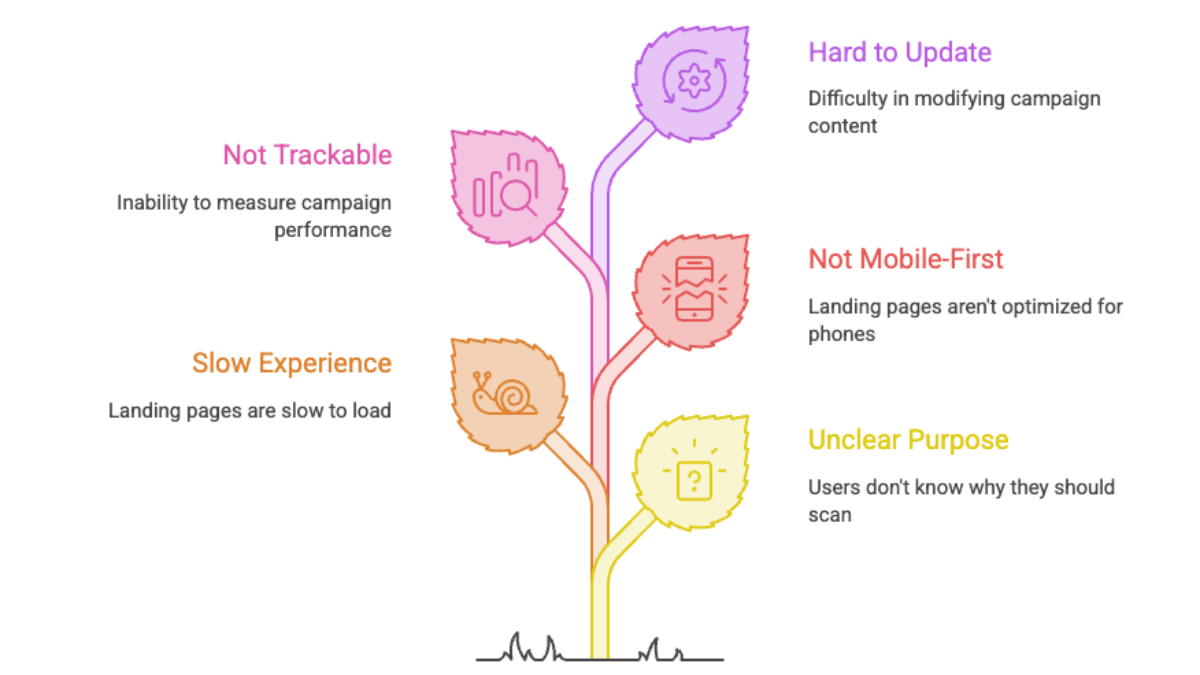
The power of successful QR code campaigns
QR codes reduced friction by turning a physical touchpoint into a digital action. The strongest campaigns used them for access, not decoration.
That matters because the scan is only the first event. What happens next decides the outcome. The best teams treat the code, the redirect, the page, and the analytics as one system.
Google’s own helpful content guidance emphasizes content made for people first. That principle fits QR campaigns well, because the landing experience must answer a clear user need quickly.
Case Study 1: Retail success story
A retail rollout works best when the scan sits near the buying decision. Shelf tags, packaging, and receipts are common entry points.
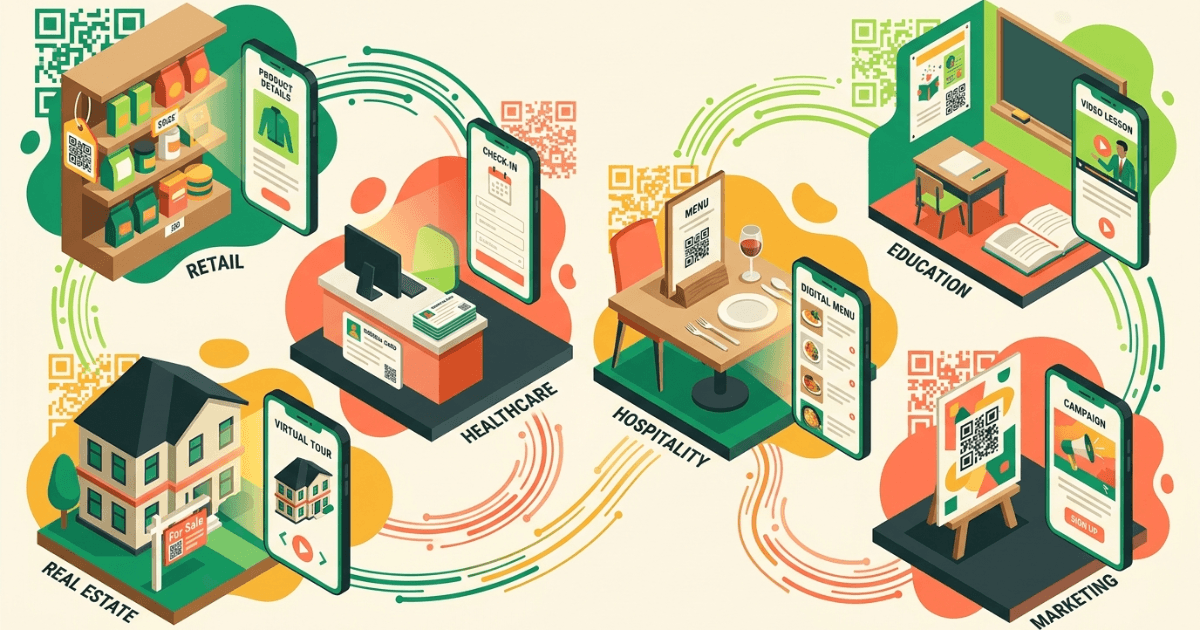
In retail, successful QR code campaigns often support product details, restock alerts, loyalty sign-ups, or warranty registration. The practical win is speed. A shopper scans, sees the right page, and moves on without searching.
The technical lesson is simple. Use a dynamic destination when content changes often. That keeps old print materials useful. It also lets the team test offers without reprinting signs. If you need a deeper engineering view, our post on QR code tracking and analytics covers the measurement side.
One useful benchmark comes from the GS1 2D barcodes initiative, which shows how retailers are moving beyond simple barcodes toward richer product data.
Case Study 2: Healthcare innovation
Healthcare uses QR codes for speed, clarity, and fewer manual steps. Common uses include appointment check-in, patient instructions, medication references, and device setup.
The key constraint is trust. The scan path must be short, secure, and easy to understand. Patients should not land on a confusing page or an unrelated marketing site.
This is where small technical choices matter. Use HTTPS. Avoid long redirects. Keep the page mobile-first. The U.S. HHS HIPAA guidance is a useful reminder that healthcare data needs careful handling, even when the QR code itself does not store protected data.
In a clinical setting, QR codes are most effective when they reduce waiting time or help a user complete one task. That includes booking, intake forms, or wayfinding.
Case Study 3: Marketing breakthrough
Marketing teams use QR codes to connect offline attention to online action. The strongest successful QR code campaigns make the next step obvious.
That can mean an event booth scan, a direct mail offer, or a print ad that routes to a product demo. The campaign works when the scan is easy to explain and the landing page matches the promise.
For measurement, the lesson is consistent across channels. Give each placement its own code or parameter set. Otherwise, the team cannot tell which creative drove the scan.
If you are building a reusable stack, our posts on creating shortened URLs and boosting engagement with shortened URLs are relevant companions.
For current scan behavior trends, the Adobe QR code statistics page is a practical reference point for marketers and builders alike.
Case Study 4: Education engagement
Education teams use QR codes to increase participation without adding friction. Common uses include worksheet links, lecture polls, reading lists, campus maps, and lab instructions.
The best education deployments are boring in the right way. The code scans fast. The page loads fast. The content is specific to the classroom moment.
That makes QR codes useful in both schools and training programs. They support blended learning, and they reduce the need to type long links during class.
For teams planning larger learning workflows, it helps to connect QR delivery with a trackable system such as Shrno, especially when many sessions need separate links and clean reporting.
Lessons learned from successful QR code campaigns
- Match the code to a clear real-world task.
- Use dynamic QR codes when the destination may change.
- Keep the landing page mobile-first and fast.
- Track each placement separately.
- Design for the environment where people will scan.
The most successful QR code campaigns do not rely on novelty. They rely on context, speed, and measurement. A code on packaging serves a different need than a code in a classroom.
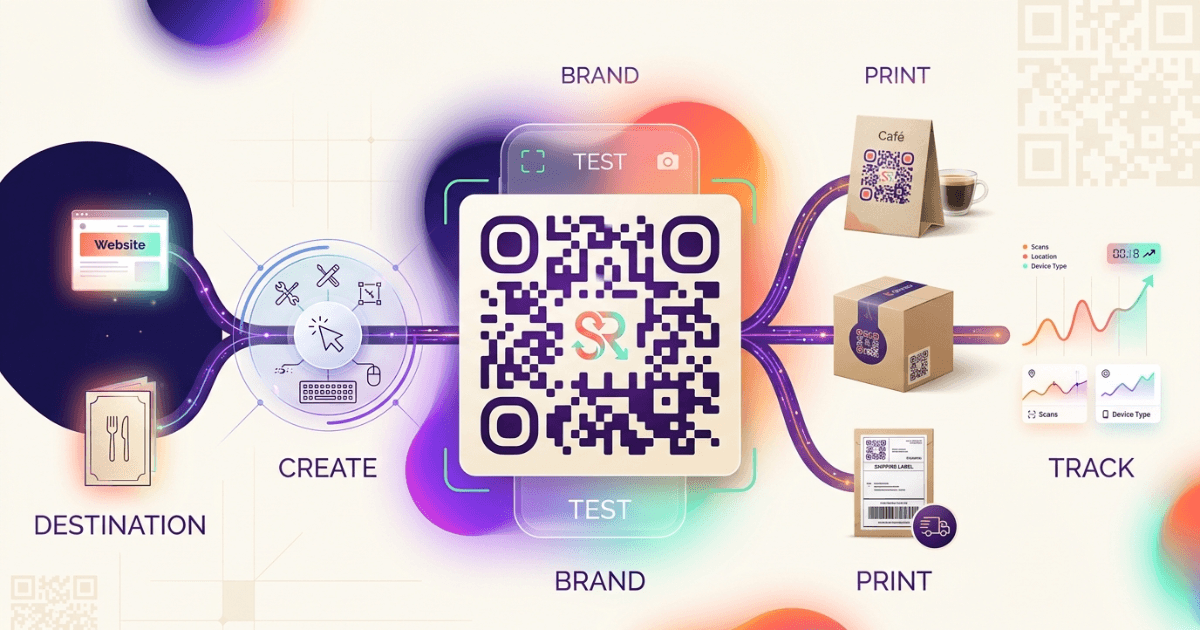
That is why the best teams plan the full journey before printing anything. They define the scan goal, choose static or dynamic delivery, set analytics tags, and test the page on a phone.
If you want the deeper mechanics behind scan analytics, revisit Tracking Every Scan: QR Code Tracking and Analytics for Measurable Success. For the code format and destination strategy, pair it with Static vs Dynamic QR Codes: Which Should You Choose?.
Frequently Asked Questions