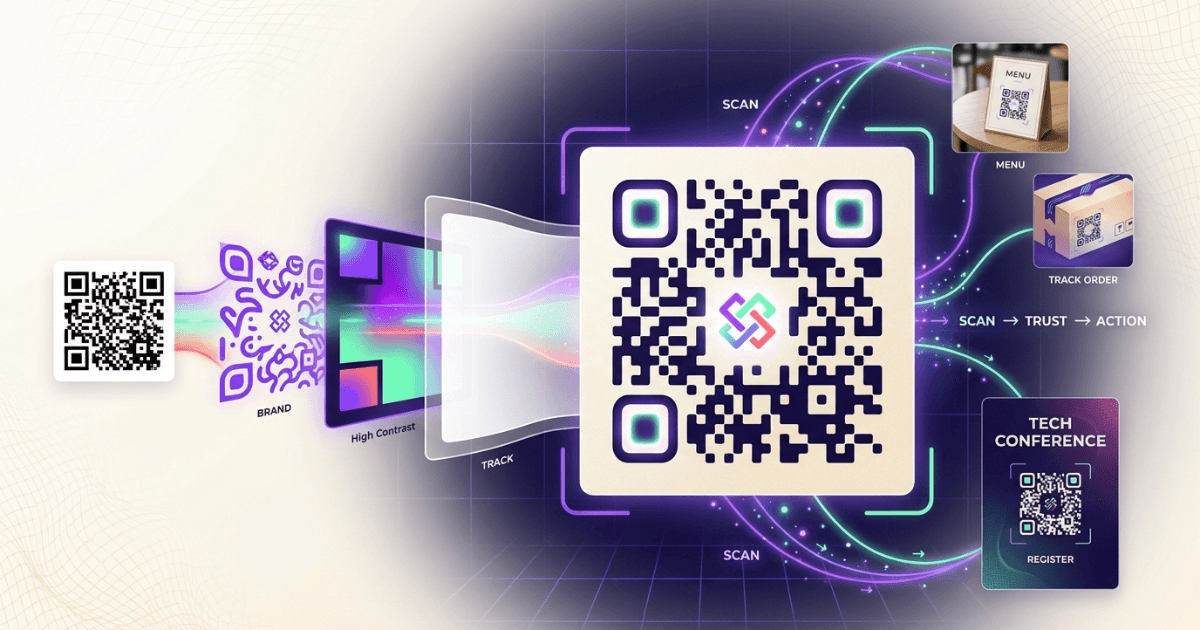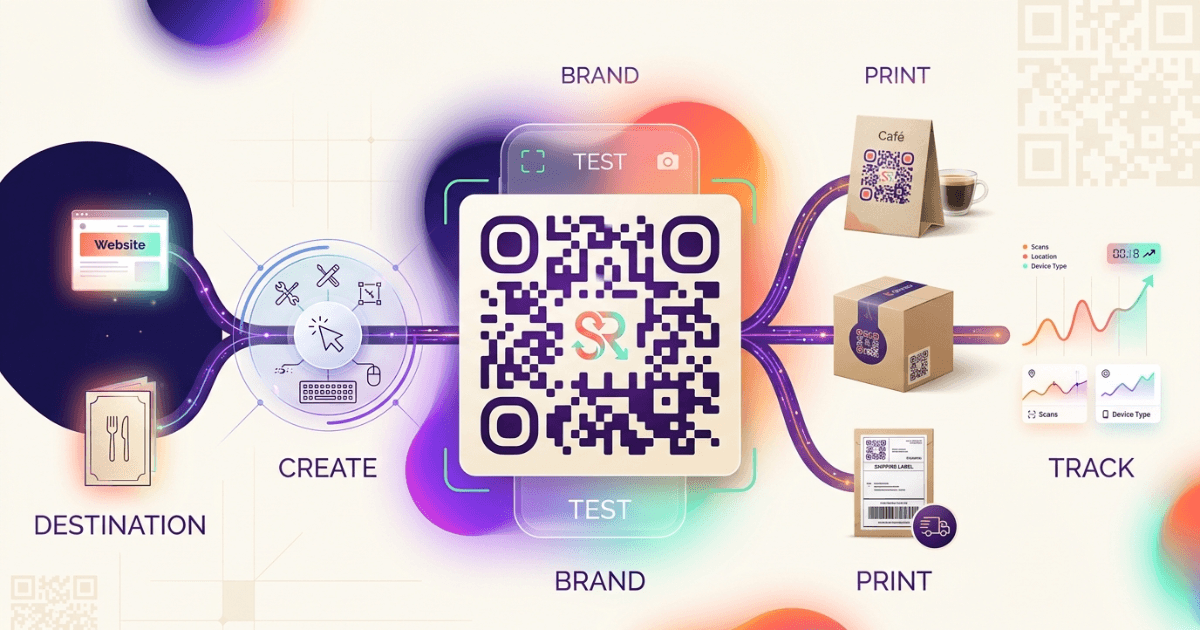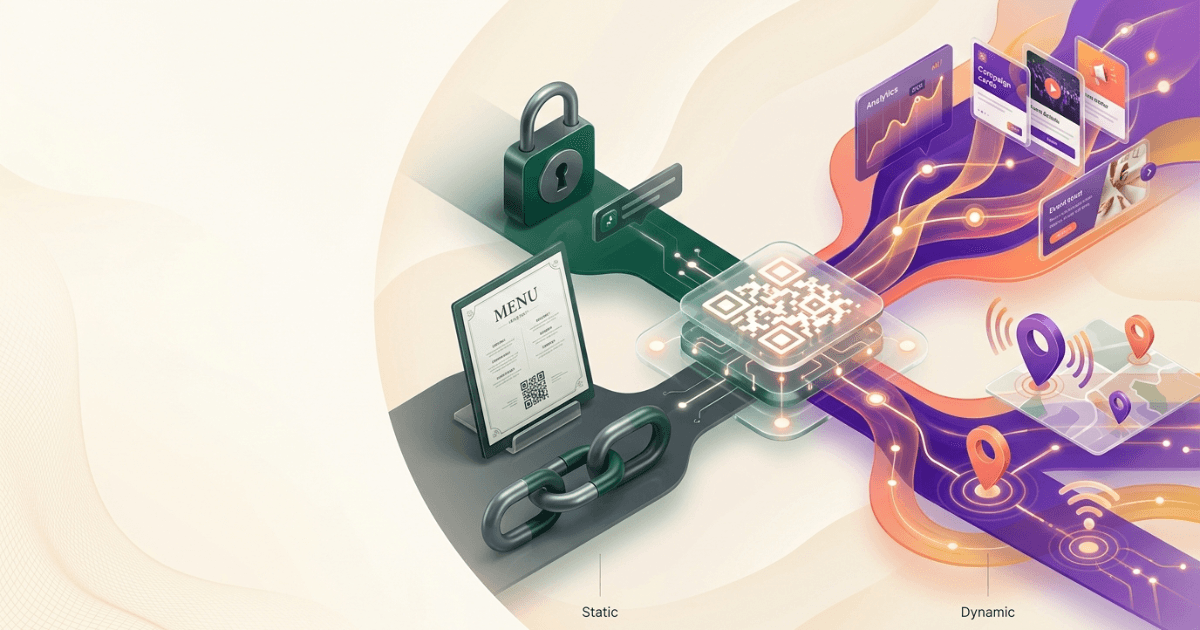
Static vs dynamic QR codes is the first choice to make before you print, publish, or scale a campaign. Static codes are simple and permanent, while dynamic codes let you change the destination later and track scans. Understanding the difference between static and dynamic QR codes is crucial for effective marketing.
If you work in marketing, retail, events, or e-commerce, that choice affects cost, flexibility, and reporting. This guide breaks down the trade-offs in plain language, with examples you can use right away to leverage QR code marketing effectively.
What static QR codes are
A static QR code stores the final content inside the code itself. That content is usually a URL, text, a phone number, or a Wi‑Fi login. After the code is created, the destination cannot be changed. Static QR codes are ideal when you don't require editable QR codes.
The ISO/IEC 18004 standard defines QR Code symbology and how the matrix barcode is encoded. In practice, static codes are best when the target will not change and you do not need scan analytics. They offer a straightforward solution without the complexity of trackable QR codes.
What dynamic QR codes are
A dynamic QR code points to a short redirect URL first. That redirect can send people to a new destination later, without reprinting the code. Many platforms also add scan counts, device data, and location-level reporting, making dynamic links more versatile.
For marketers, that extra layer matters. It lets you test offers, swap menus, update event details, or fix a broken page after printing. It also makes click analytics much easier to use in everyday campaign work, enhancing QR code marketing strategies.
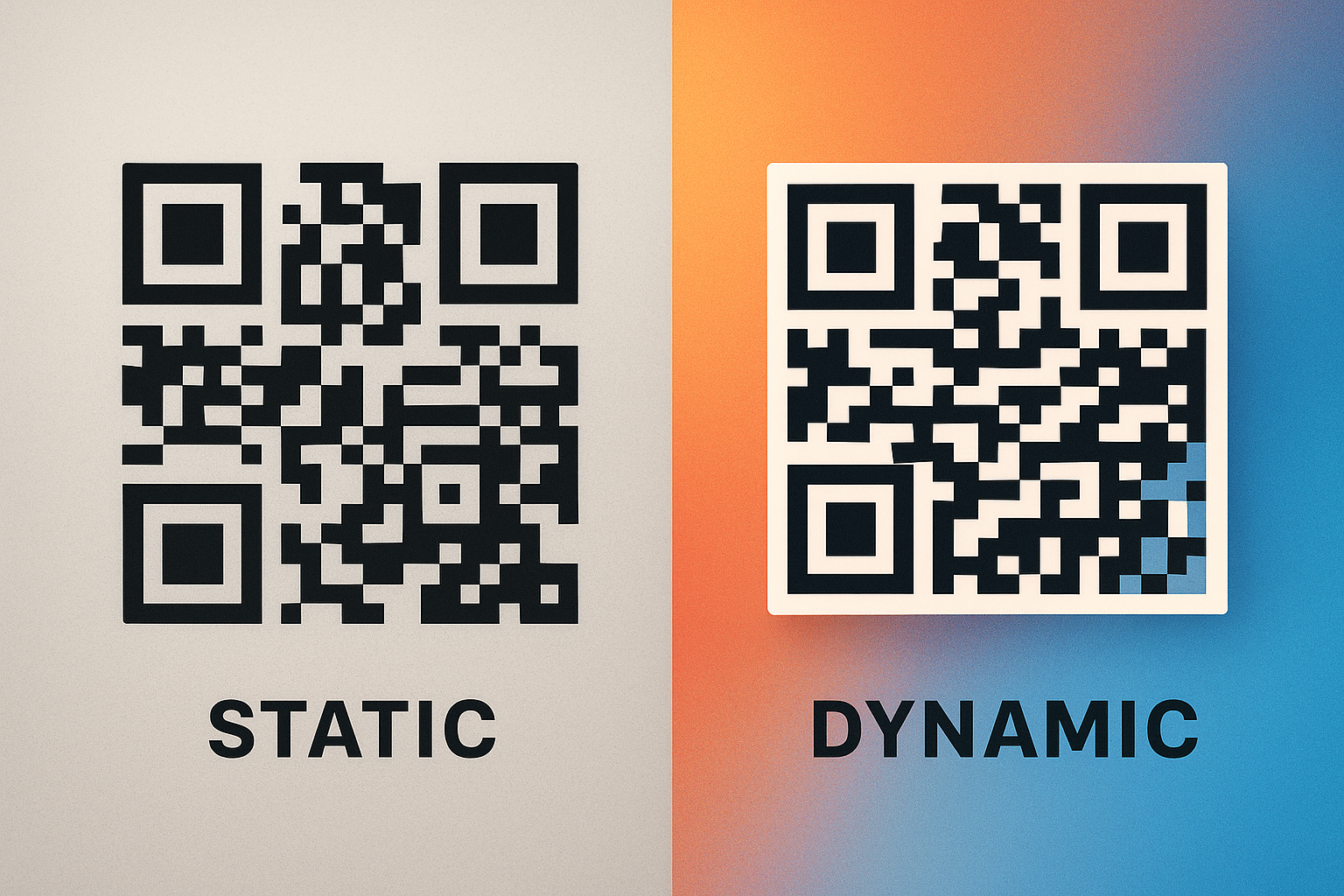
Static vs dynamic QR codes: the main pros and cons
Static codes win on simplicity. They are easy to create, cheap to use, and do not depend on a third-party redirect service. The downside is obvious: once printed, they are fixed, unlike editable QR codes.
Dynamic codes win on control. You can change the destination, track performance, and run A/B tests. The trade-off is that they depend on a service and may involve ongoing costs. However, for those looking for trackable QR codes, dynamic options provide significant benefits.
- Use static QR codes when the destination will stay the same for a long time.
- Use dynamic QR codes when you may need to update the link later.
- Use dynamic QR codes when scan data helps you make decisions.
- Use static QR codes when offline reliability matters more than reporting.
Pros and cons of static QR codes
The biggest pro is durability. A static code keeps working as long as the linked page stays live. It also avoids platform lock-in, which some teams prefer for packaging and signage, making it ideal for scenarios where editable QR codes are not necessary.
The biggest con is risk. If the page moves, the code breaks. If you printed 20,000 labels, that mistake becomes expensive fast. This highlights the importance of knowing when to choose static vs dynamic QR codes.
- Pros: simple to create
- Pros: no redirect layer required
- Pros: often free or low cost
- Cons: cannot be edited after creation
- Cons: usually no scan analytics
- Cons: reprints are needed if the URL changes
Pros and cons of dynamic QR codes
Dynamic codes are built for change. That makes them useful for campaigns with deadlines, seasonal offers, and rotating content. They also support measurement, which matters when you need to prove return on spend, a key factor in QR code marketing.
This is where tools like Shrno can fit naturally into a marketing stack, especially if your team already works with short links and branded redirects. The same logic appears in how URL shortening works: the visible code stays fixed while the destination can change.
A common downside is dependency. If the redirect service fails, the code can fail too. Some vendors also gate analytics or editing behind a paid plan. Choosing the right type of QR code depends on understanding these dynamics.
- Pros: destination can change later
- Pros: scan analytics and campaign insights
- Pros: better for testing and optimization
- Cons: usually requires a platform or account
- Cons: may cost more over time
- Cons: adds a dependency on the redirect service
Best use cases for static QR codes
Static codes are a strong fit when the content is stable. They work well for printed assets that should stay valid for years. Understanding when to use static vs dynamic QR codes is key to effective deployment.
- Product manuals that link to a help page
- Business cards with a LinkedIn profile or contact page
- Wi‑Fi sharing in offices, cafés, or coworking spaces
- Permanent signage for a homepage or store locator
- Simple nonprofit donation pages with no planned changes
If your team is documenting a product system, the Ultimate Guide to QR Codes is a useful companion piece. It gives more context on branded QR code basics and setup choices.
Best use cases for dynamic QR codes
Dynamic codes make the most sense when the destination may change or when you need reporting. That is why they are common in fast-moving marketing teams, especially when considering trackable QR codes.
- Restaurant menus that change often
- Event badges, tickets, and venue updates
- Retail promotions tied to weekly offers
- E-commerce packaging that supports seasonal landing pages
- Real estate flyers where listings or open-house times change
- Creator campaigns that switch between sponsorships or product drops
Dynamic codes also help agencies. One printed asset can serve many clients, versions, or campaign periods. That reduces rework and makes testing easier, a clear advantage in QR code marketing.
How to choose the right type for your project
Start with one question: will the target change? If the answer is no, static is usually enough. If the answer is maybe, dynamic is safer. This decision-making process is crucial in determining static vs dynamic QR codes.
Then check the value of tracking. If you need scan counts, locations, or device data, dynamic is the better fit. If you only need a dependable destination, static keeps things lean.
A simple decision rule works well in practice:
- Choose static if the link is permanent and the use is simple.
- Choose dynamic if the campaign will evolve.
- Choose dynamic if you need analytics for reporting or optimization.
- Choose static if you want the lowest possible overhead.
- Choose dynamic if reprinting would be costly or slow.
For teams already comparing marketing infrastructure, this sits close to other link tools. You may also find When and Why to Use Shortened URLs in Modern Marketing helpful when you are deciding between clean links, redirects, and QR-based entry points.
FAQ
Frequently Asked Questions