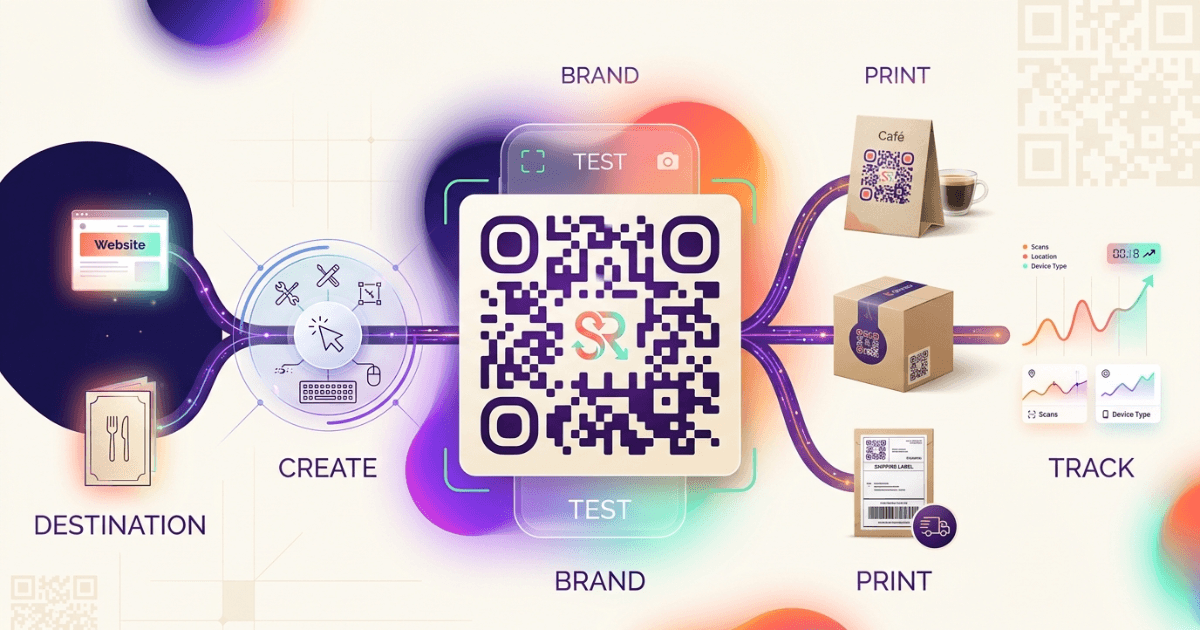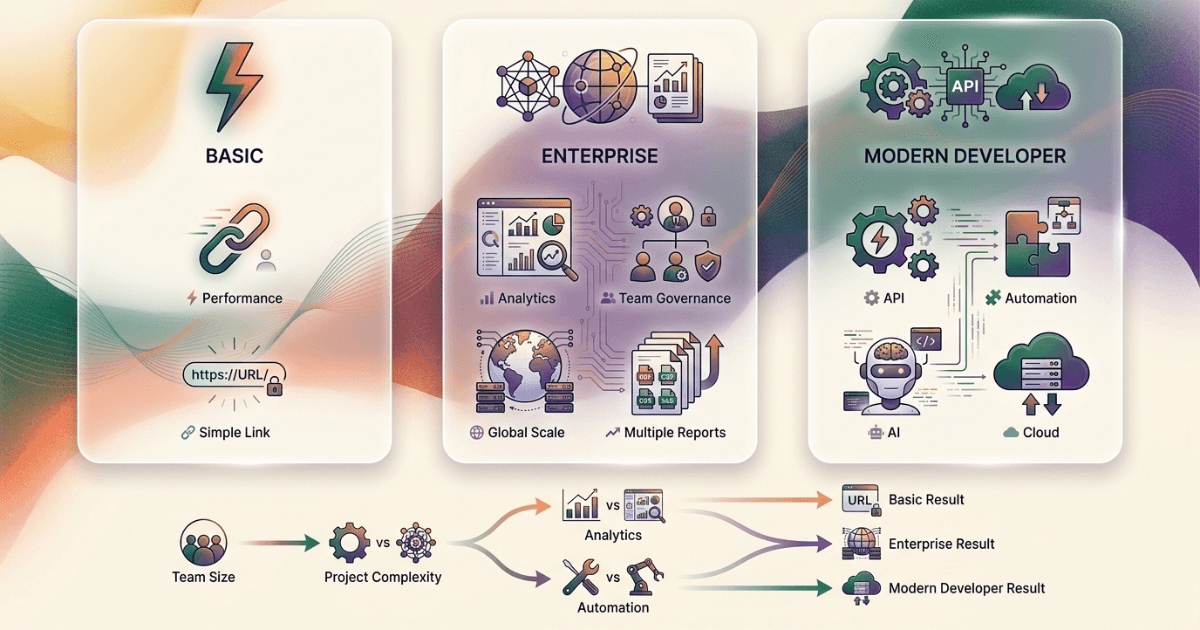
This URL shortening tools comparison helps teams choose between Shrno, Bitly, and TinyURL with less guesswork. The right pick depends on control, analytics, pricing, and how your team actually ships links.
Criteria for Evaluating URL Shortening Tools
Start with the job you need done. Some teams want fast, simple short links. Others need branded domains, click tracking, and team access controls.
For engineers, the best tool is the one that fits your workflow. In practice, that means looking at API quality, link reliability, analytics depth, and governance.
- Link creation speed and API support
- Branded domains and custom slugs
- Click analytics and export options
- Team roles, permissions, and audit needs
- Pricing that matches real usage
If you also care about security and safe rollout, pair this review with How to Keep Your Shortened URLs Safe: A Practical Guide for Engineers.

Feature Comparison: Shrno vs Bitly vs TinyURL
Bitly is the most established name here. Its platform focuses on branded links, analytics, and enterprise features, according to Bitly’s Analytics Page docs.
TinyURL stays simple. Its public site still centers on fast link shortening and a paid branded-links path, which makes it attractive for lightweight use cases.
Shrno is the most relevant choice when you want a product built for the workflow, not just the redirect. If you are comparing tools for a team rollout, the product page for Shrno is the best place to check current feature scope.
The best way to read this URL shortening tools comparison is by fit, not by brand size. A smaller product can win if it removes setup work and gives you only what you use.
Pricing Models and Value for Money in URL Shortening Tools Comparison
Pricing in this category usually falls into three buckets: free, freemium, and usage-based plans. That matters because short-link tools often look cheap until teams add branded domains, seats, or higher analytics limits.
Bitly publishes plan tiers on its pricing pages, and the company has shifted many advanced features into higher plans. TinyURL also sells a paid branded-link product for teams that need more than basic shortening.
Value for money depends on volume and intent. If your team sends a few campaign links each month, free tools may be enough. If you ship links from product, support, and marketing, admin time becomes the real cost.
For a broader context on how short links work in real campaigns, see How URL Shortening Works: A Technical Breakdown for Marketing Teams.
User Experiences and Reviews
User reviews usually split along the same line. Bitly gets credit for maturity and analytics depth. TinyURL gets praise for ease of use. Shrno should be judged on whether it cuts friction for your team without adding clutter.
In engineering teams, the best reviews are the ones that mention setup time, API behavior, and whether the tool breaks the publishing path. Those details tell you more than star ratings.
If you want a practical primer before rolling out any tool, Creating Your First Shortened URL with Shrno: A Practical Guide shows the expected workflow from first link to live use.
Choosing the Right Tool for Your Needs
Choose Shrno if you want a focused product and a cleaner path from creation to tracking. Choose Bitly if you need a mature ecosystem and deeper enterprise controls. Choose TinyURL if you want a simple shortener with low setup overhead.
A useful rule: pick the tool that matches your link volume, team size, and reporting needs. Do not pay for features you will not use.
For teams building a broader link strategy, Mastering URL Shorteners: Benefits, Tools, and Best Practices is the best follow-up read.
The best shortener is the one your team will actually use every day.— Practical guidance for product and engineering teams
Frequently Asked Questions