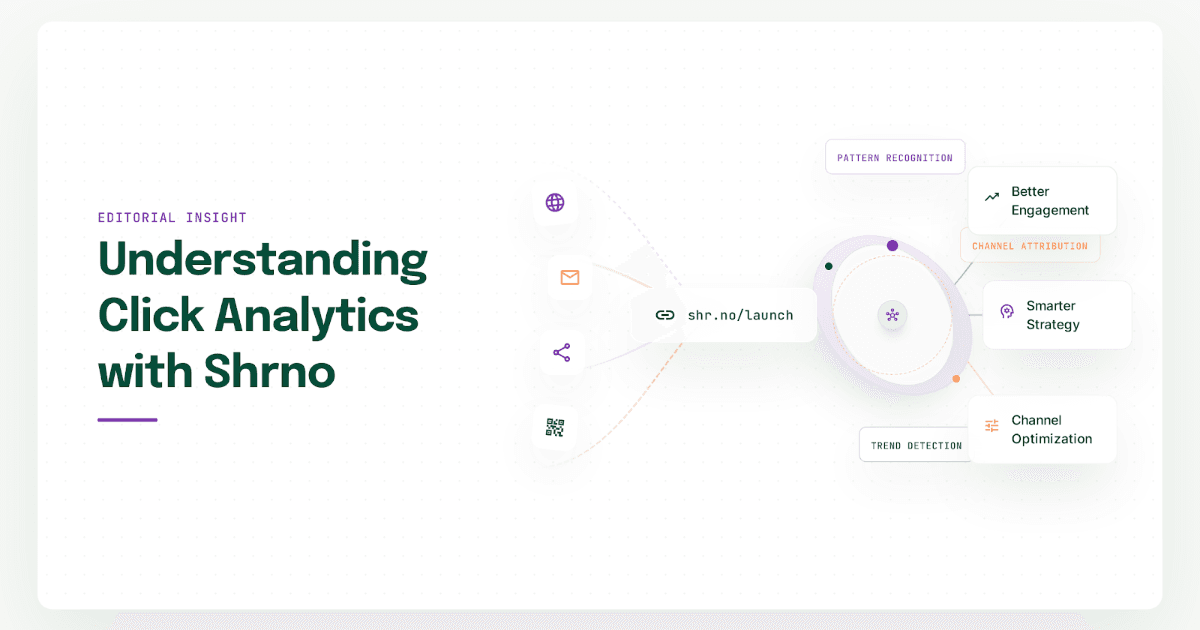
A URL shortener turns a long link into a shorter one that still sends users to the same destination. For software teams, the real value is not just cleaner text. It is better control, easier sharing, and clearer link tracking.
What is a URL shortener and how does it work?
A URL shortener maps a short alias to a longer destination. When someone clicks the short link, the service returns an HTTP redirect, usually 301 or 302, and the browser loads the final page. That basic pattern is why short links work across email, chat, social posts, and print.

The mechanics are simple, but the implementation matters. Good systems keep redirects fast, preserve query strings when needed, and let teams edit destinations without changing the public link. The URI standard from the IETF is the right reference for how links are structured, while MDN’s redirect guide explains how browsers handle redirect responses.
Benefits of using shortened URLs
A URL shortener helps in three common ways. First, it makes links easier to share and less likely to break when pasted into messages. Second, it can improve trust when you use branded domains. Third, it creates a clean layer for analytics, which helps you measure clicks by channel, campaign, or medium.
In practice, that means a product team can send one short link in email, docs, and support replies, then compare performance without changing the destination page. That same link can also carry UTM parameters for campaign analysis in tools like Google Analytics.
- Cleaner links in chat, docs, and social posts
- Better click tracking for campaigns and product launches
- Easier link management when the destination changes
- More trust when the short domain matches your brand
Popular URL shortener tools worth knowing
Teams usually compare a few classes of tools before they choose one. Consumer tools like Bitly are simple and widely known. Platform tools like Rebrandly focus on branded domains. Self-hosted or product-native tools are better when you want data control, custom rules, or deeper workflow fit.
If your team already uses Commenda for related product work, it is worth deciding where link management should live. For teams that want a focused shortening workflow, Shrno gives you a clearer starting point than a general-purpose marketing stack.
When you review tools, check redirect speed, custom domains, analytics depth, API access, retention rules, and whether the vendor supports link expiration or bulk editing. If you need a product benchmark, the Cloudflare docs on redirects are a useful reminder that redirect behavior can affect performance and cache handling.
How to create a shortened URL with Shrno
Creating a short link in Shrno should fit a basic workflow. Paste the long destination, choose a short slug, attach campaign tags if needed, and save the link. If your team uses branded domains, connect that domain first so the short URL looks native to your product or company.
The best part is operational control. A marketer can update the destination after launch. An engineer can still keep the same public link in code, docs, or a QR code. That avoids broken references and reduces rework.
For example, a launch page at a long path with UTM tags can become a short, branded link for release notes or sales emails. That is the kind of small workflow change that saves time every week.
Best practices for using a URL shortener
Treat short links like production assets. Use descriptive slugs when possible. Keep one owner for each campaign. Test every link before publishing. And avoid changing the destination after you distribute a link unless you truly need to.
- Use branded domains for public links.
- Keep destination pages stable after launch.
- Preserve query parameters when tracking matters.
- Test mobile, desktop, and email clients.
- Document ownership and expiration dates.
Also avoid short links in places where the full destination matters for trust or compliance. In regulated workflows, teams may prefer the full URL in contracts, tickets, or audit trails. Short links are best when convenience and measurement matter more than visible path detail.
Common mistakes to avoid with URL shortener workflows
The most common mistake is using a short link as a bandage for bad information architecture. A URL shortener should simplify sharing, not hide broken page structure. Another mistake is sending every campaign through one shared link, which makes attribution messy.
Teams also forget about link lifecycle. If a short link points to a retired page, users will see dead ends. If a vendor shuts down, those links can become technical debt. That is why domain control and exportability matter.
A third mistake is ignoring security. Attackers can abuse open redirects or lookalike domains. The OWASP guidance on open redirects is a good reminder to validate destinations and limit where redirects can go.
Future trends in URL shortening
The next wave of URL shortener tools will likely focus on three things: stronger brand control, better analytics privacy, and tighter workflow automation. We are already seeing more demand for first-party data, cleaner attribution, and faster API-driven link creation.
Expect more teams to combine short links with QR codes, lifecycle rules, and event-based routing. For example, a single short link may send users to different pages by region, device, or campaign state. That makes the link layer more like a lightweight traffic system than a simple redirect service.
In other words, the best URL shortener will not just shorten links. It will help teams control them.
FAQ
Frequently Asked Questions