The future of QR codes is not about replacing simple links. It is about making scans smarter, safer, and more useful. For marketing agencies, cafes, restaurants, influencers, and payment teams, QR codes now sit inside a wider digital workflow.
That shift is already visible in mainstream guidance from NIST and in browser and platform work around scan handling. It also matches practical SEO advice: use clear structure, link relevant pages, and answer real questions fast, as noted in Search Engine Journal.
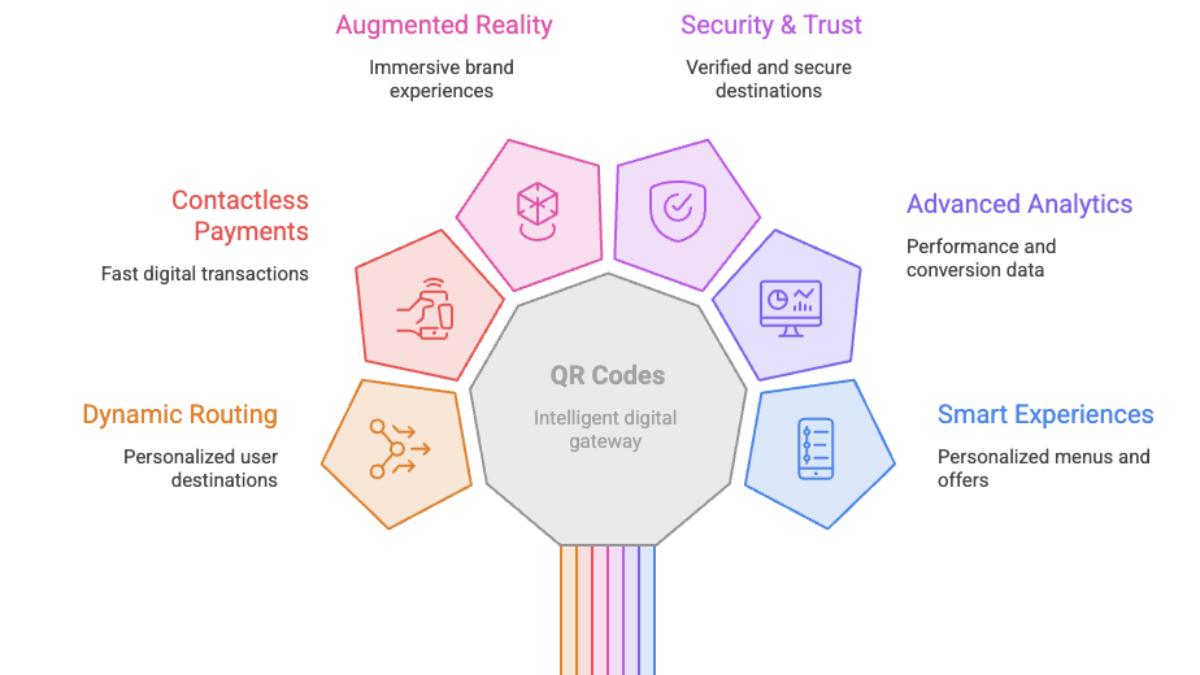
Emerging Technologies Enhancing the Future of QR Codes
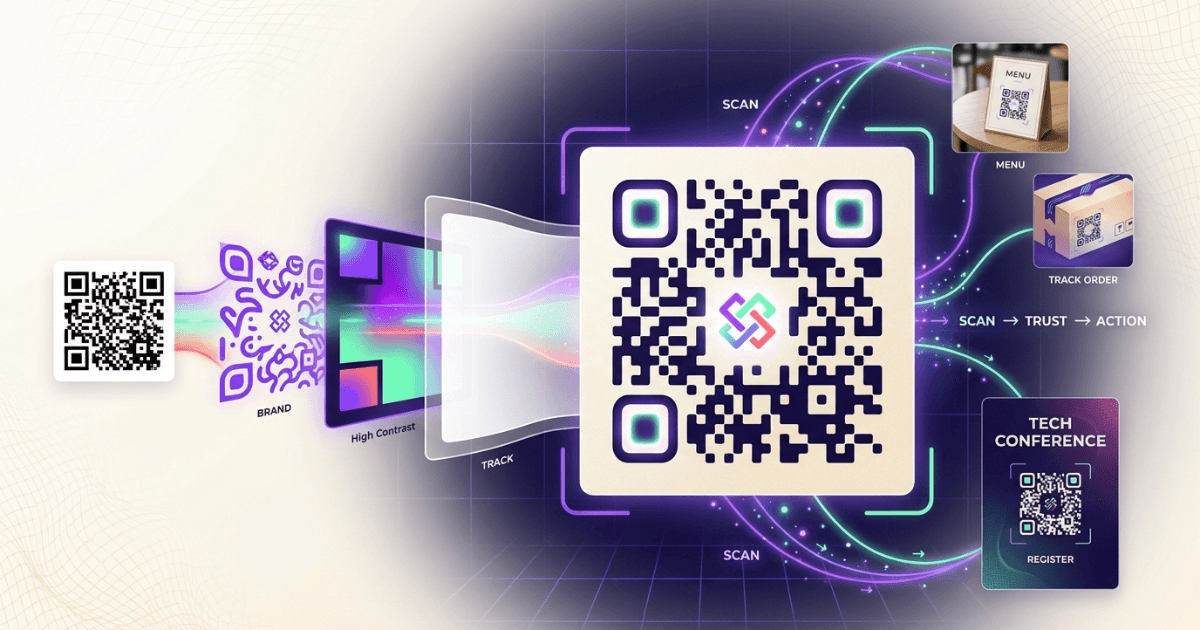
The biggest change is not the QR pattern itself. It is the stack behind it. Dynamic QR systems now let teams swap destinations without reprinting menus, posters, or packaging. That matters for cafes running seasonal offers and agencies testing campaigns across many locations.
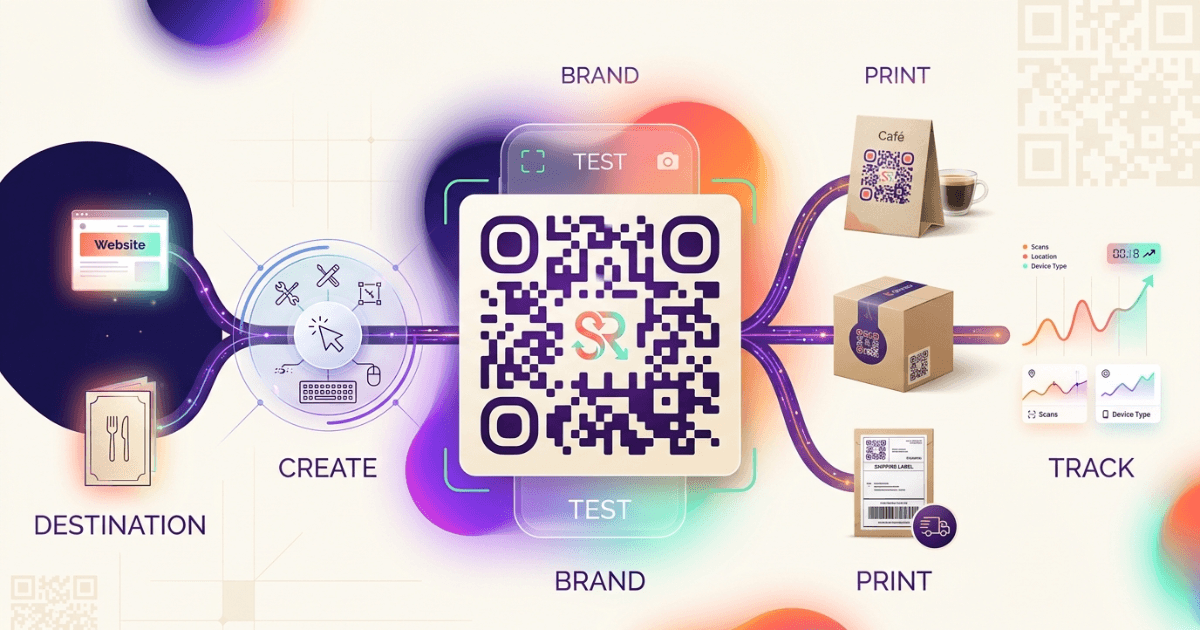
A practical example is a branded code on a table tent that sends lunch traffic to one page at noon and a loyalty signup page after 3 p.m. That kind of routing is why posts like Static vs Dynamic QR Codes: Which Should You Choose? stay relevant. The same logic also supports measurement, which is covered in Tracking Every Scan: QR Code Tracking and Analytics for Measurable Success.
- Dynamic routing for campaign changes without reprinting
- Short branded domains for trust and higher scan confidence
- Deep links that open apps, menus, or checkout flows
- Analytics that separate scans by time, place, and device
The Role of QR Codes in a Post-Pandemic World
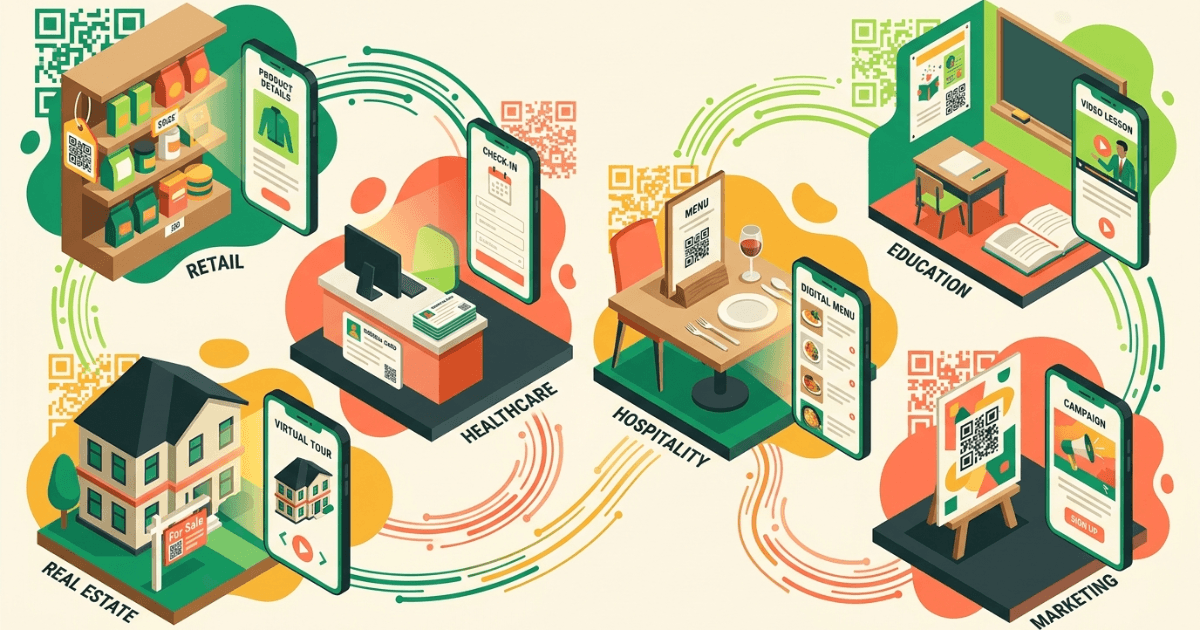
The post-pandemic world did not make QR codes trendy. It made them normal. Contactless menus, pay-at-table flows, event check-ins, and curbside pickup all trained users to scan first and ask later. The result is a lower-friction habit that still benefits businesses today.
For payments, that habit matters. EMVCo, which manages the global QR payment specification, keeps QR payments aligned with interoperable checkout flows. In practice, that makes QR useful where cards are slow and cash is awkward. It also helps explain why merchants keep QR codes on receipts, counters, and invoices.
For content teams, the lesson is simple. Put the scan action where intent is already high. A cafe menu, an influencer giveaway card, or a product box works better than a random poster. The code should save time, not add steps.
Integration with Augmented Reality
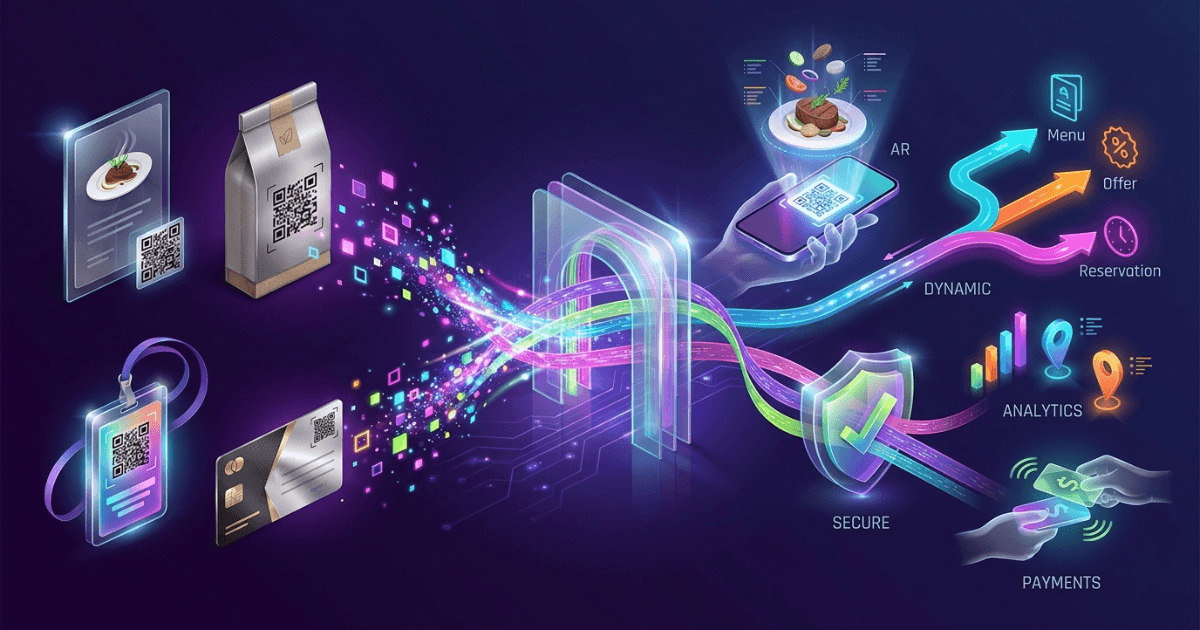
AR is one of the clearest paths for the future of QR codes. A scan can now launch a product preview, a virtual try-on, or a location-based overlay instead of a plain web page. That turns the code into a trigger, not just a shortcut.
Apple and Google both support camera-based scan flows that reduce friction for this kind of experience. That matters because AR fails when users must install extra software first. The scan should feel native, fast, and obvious.
In a restaurant, AR can show plated dishes before ordering. In retail, it can show packaging in 3D. For creators, it can unlock interactive campaign assets that make a printed card feel alive. The best use case is still narrow and specific. A scan should explain one thing well.
Security Enhancements in QR Codes
Security will shape the future of QR codes as much as design will. QR abuse is usually simple: a sticker covers a real code, or a fake landing page copies a trusted brand. The fix is also simple, but it must be intentional.
Good practice includes signed destinations, trusted link domains, and visible brand cues before the scan. Google’s Safe Browsing documentation explains how unsafe destinations are identified and blocked, which is one reason branded links and monitored redirect systems matter. If the user cannot trust the destination, the code fails.
For teams handling payments or lead capture, check the landing page, the redirect chain, and the domain certificate. Then add review steps before a code goes live. That is the same discipline used in How to Keep Your Shortened URLs Safe: A Practical Guide for Engineers, and it applies to QR just as much.
Personalization and User Experience
Personalization is where QR codes become more useful to marketers. A single printed code can send different users to different destinations based on time, location, device, or campaign source. That lets brands keep one physical asset while serving many experiences.
For example, a restaurant can send breakfast scans to the morning menu and dinner scans to reservations. An influencer can send one audience to a sponsor page and another to a giveaway entry form. A cafe can show loyalty offers only to repeat visitors.
User experience should stay simple. The code needs room around it, a clear call to action, and a landing page that loads fast on mobile. That is why the basics in The Ultimate Guide to QR Codes: From Basics to Branded Solutions still matter, even as the tech improves.
Predictions for QR Code Usage in the Next Decade
Over the next decade, QR codes will likely stay common because they are cheap, flexible, and device-native. The winners will be the teams that treat them as a data layer, not a print detail.
- More QR payments in stores, transit, and events as contactless habits remain.
- More dynamic codes with campaign logic behind a single printed surface.
- More AR launch points for product education and brand experiences.
- More fraud controls, including brand verification and safer redirect checks.
- More personalization tied to loyalty, location, and scan history.
The strongest growth will come from places where speed matters. That includes queues, table service, event entrances, packaging, and direct mail. In each case, the code shortens the path from interest to action.
For agencies and content teams, the main opportunity is integration. QR should connect creative, analytics, and conversion. When that happens, the code becomes part of the customer journey, not an isolated asset.
Frequently Asked Questions