When and Why to Use Shortened URLs
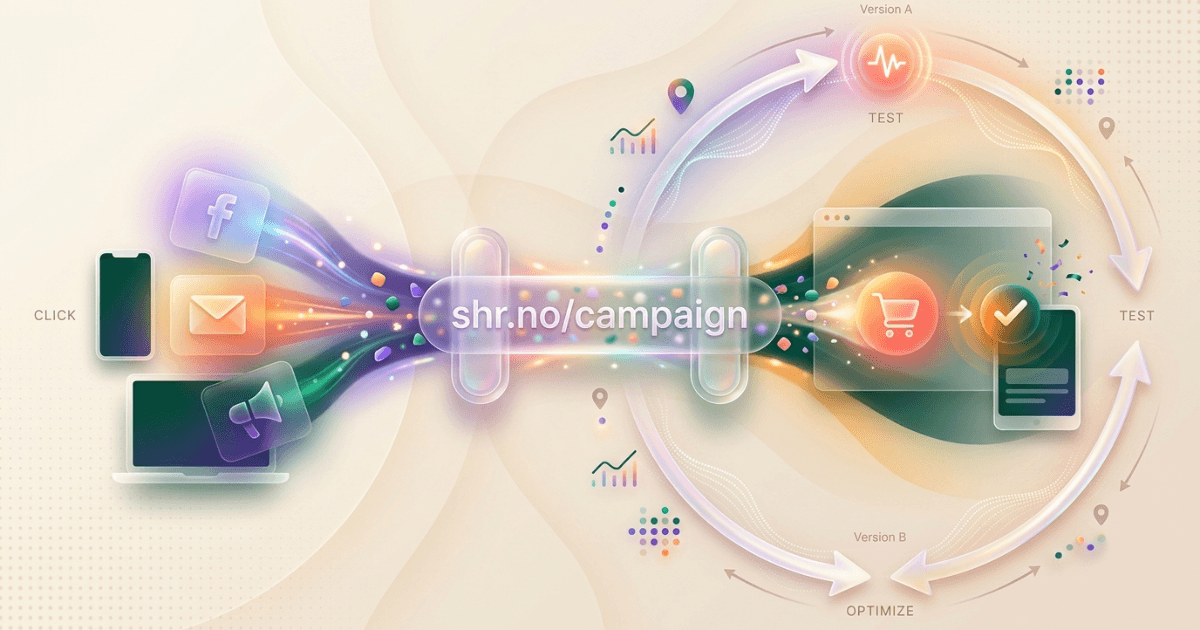
If you run campaigns across social, email, and print, knowing when to use shortened URLs can turn messy, long links into clean, trackable, branded assets that are easier to share and measure. Understanding when to use shortened URLs effectively can enhance your marketing efforts.
Short links are not just cosmetic. Used well, when to use shortened URLs becomes clear as they help with click tracking, message clarity, brand recall, and even trust. Used badly, they can hurt your metrics and raise spam flags.
Ideal scenarios for using shortened URLs
You do not need shortened URLs for every link. The best use cases share three traits: the link is long or complex, space is limited, and you care about tracking or brand consistency. Knowing when to use shortened URLs in these scenarios can optimize your campaign performance.
- Links with long UTM strings or query parameters
- Campaigns where link appearance affects clicks
- Channels with hard character limits, such as X or SMS
- Offline assets, such as posters, billboards, or QR codes
- Influencer promotions that need clear, trackable links
Most agencies now append UTM parameters to every campaign link so they can see traffic in tools like Google Analytics 4. According to Google’s own guidance, UTM tags help attribute sessions to the right source, medium, and campaign in GA4 reports, but they often make URLs unwieldy. That is an ideal moment to use shortened URLs to hide those tracking tags in a neat short link.
Short links also shine when you need redirect control. Tools such as Bitly and Rebrandly let you change the final destination while keeping the same short URL live. Bitly’s product updates highlight this as a core feature for campaign agility, since you can fix landing pages after launch without breaking shared links, and measure clicks in one place across channels.
For Nidavellirs users, products like Shrno and Commenda fit this model. They let you shorten and manage links, attach tracking, and align each short URL with your brand and campaigns.
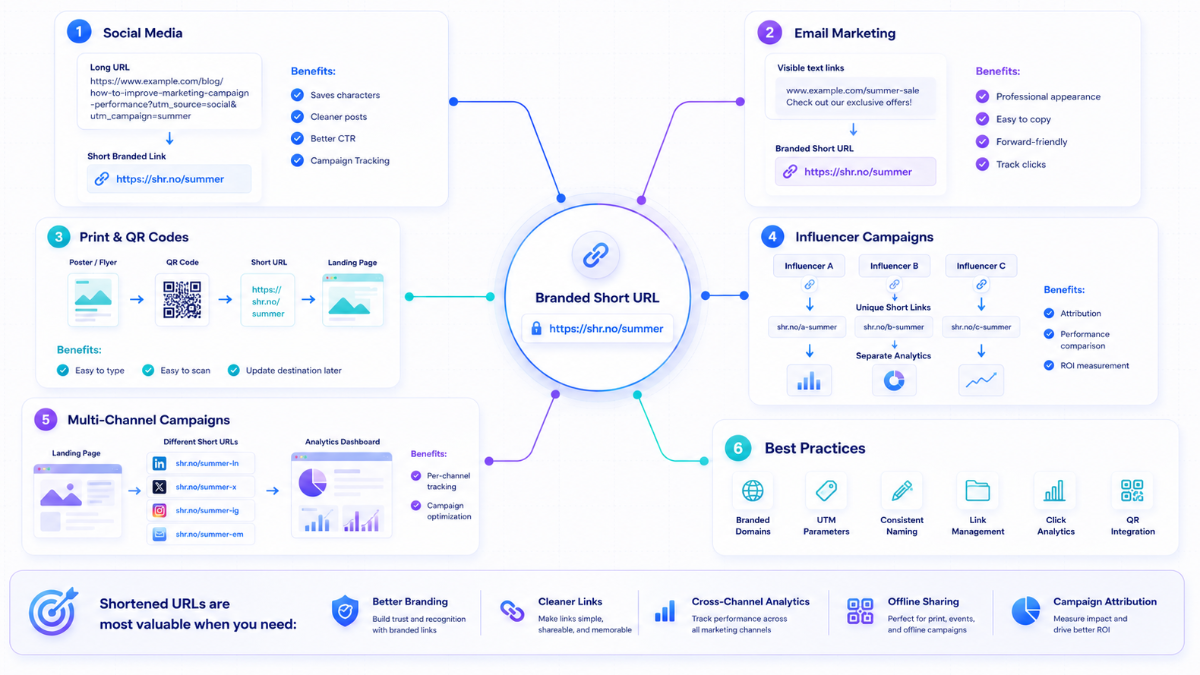
Benefits of shortened URLs in social media
Social platforms are where shortened URLs first took off, and they remain one of the most useful places to use them today. Knowing when to use shortened URLs on social media can greatly improve your engagement rates.
On X, each post has a hard character limit. When you paste a long URL with UTM tags, you lose room for hooks, CTAs, and hashtags. Shortened URLs free space and keep the post readable. Many social media guides, including those from Hootsuite and Buffer, advise keeping posts concise and links clean to improve engagement, and short URLs help achieve that.
Branded short domains add another layer of benefit. Bitly’s 2024 data shows that branded short links tend to earn higher click through rates than generic short links, since they signal who owns the link and reduce fear of spam or phishing. A domain like "go.youragency.com" or "lnk.yourbrand.co" tells your followers that the link is part of your ecosystem.
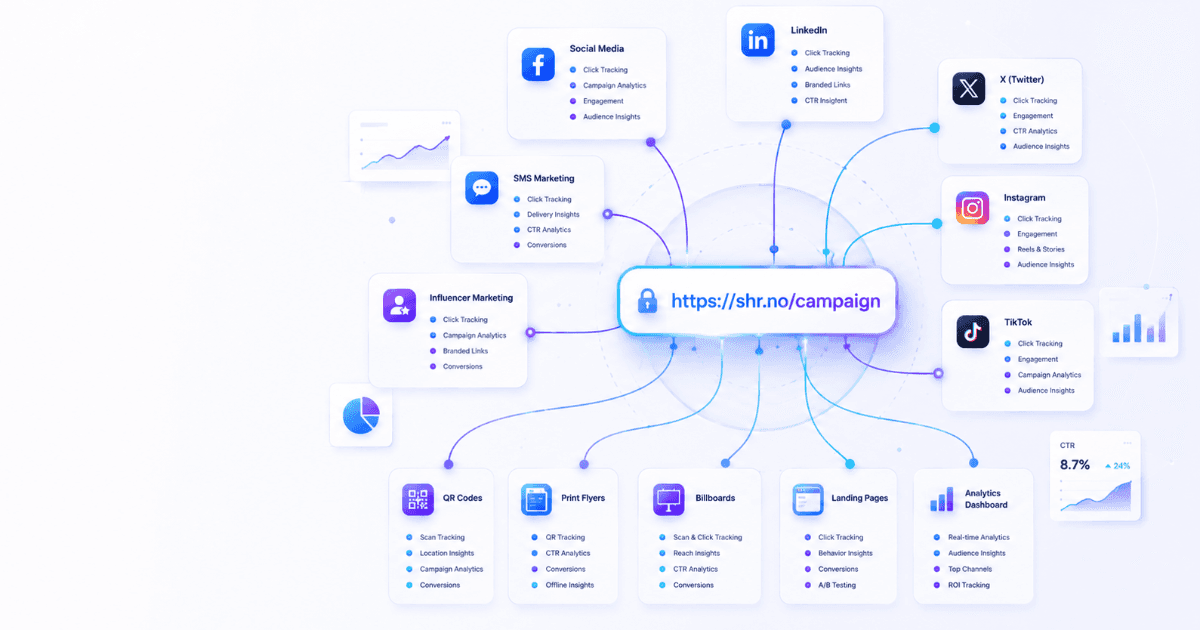
Shortened URLs also provide channel specific insights. The same long landing page URL can be wrapped in different short links for Instagram, X, LinkedIn, and TikTok. Each short URL then becomes a separate tracking point. According to a 2025 campaign case study from HubSpot, breaking links out per channel allowed their team to spot that Instagram Stories drove more swipe clicks than feed posts, and to adjust placements mid campaign.
If you work with creators or influencers, shortened URLs make collaboration cleaner. You can issue a unique short link per influencer and track performance without exposing internal UTM naming. A guide like The Ultimate Guide to URL Shortener Use can help your team set good naming rules before you scale this.
Shortened URLs in email marketing
Email is more sensitive than social when it comes to shortened URLs. Many spam filters treat anonymous link shorteners as a risk. So you need a stricter set of rules when you decide when to use shortened URLs in email.
Most email service providers, such as Mailchimp and Klaviyo, add their own tracking to links by default. Their docs explain how they wrap links for click tracking. This can result in very long URLs behind the scenes. You do not need a public short link for every email in that case, since the user never sees those wrapped URLs.
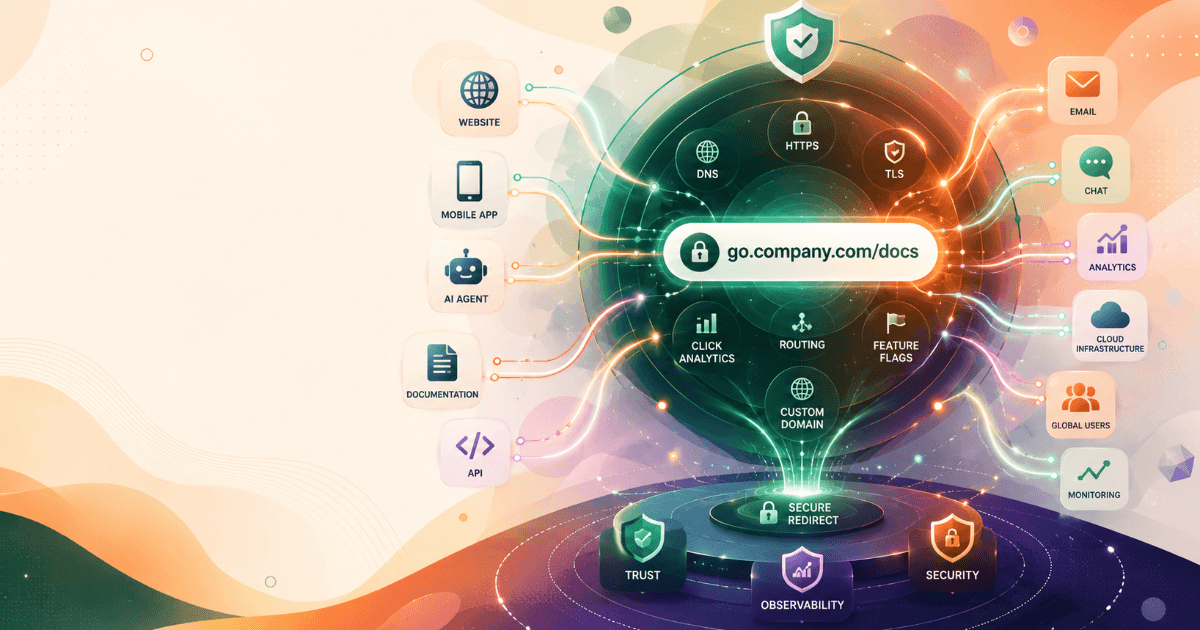
Short links in email are helpful when the link is visible as text, not just behind a button. For example, in a plain text welcome sequence or a cold outreach email, a neat branded short URL can look more professional than a bare UTM heavy link. To keep deliverability safe, prefer a custom, branded short domain over generic free shorteners. According to Spamhaus and other anti spam bodies, unknown or abused shortener domains are frequent markers of risky mail, while consistent sender domains and branded infrastructure help build trust over time.
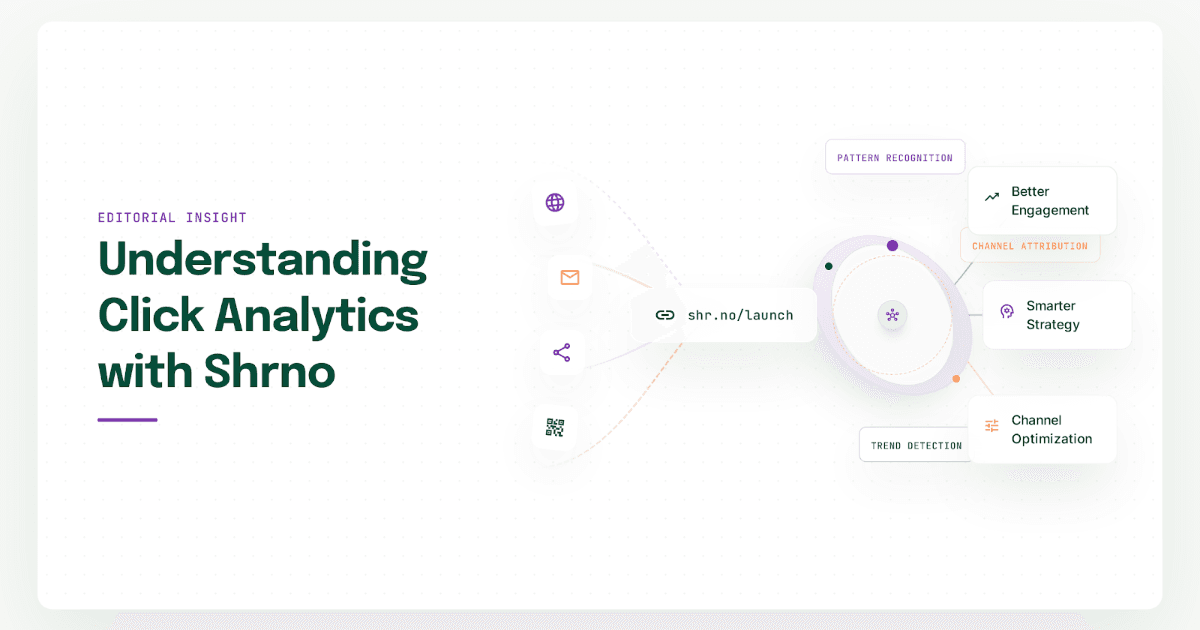
One practical pattern is to reserve shortened URLs for links that might be copied or forwarded. If a client forwards your newsletter, the short link remains readable and trackable in the new context. A system like Shrno can centralize those email links and keep analytics in one place.
Shortened URLs for print and offline use
Print and offline channels are where shortened URLs almost always make sense. A long landing page link is almost impossible to type correctly from a poster or flyer. Knowing when to use shortened URLs in these contexts ensures that your audience can easily access your content.
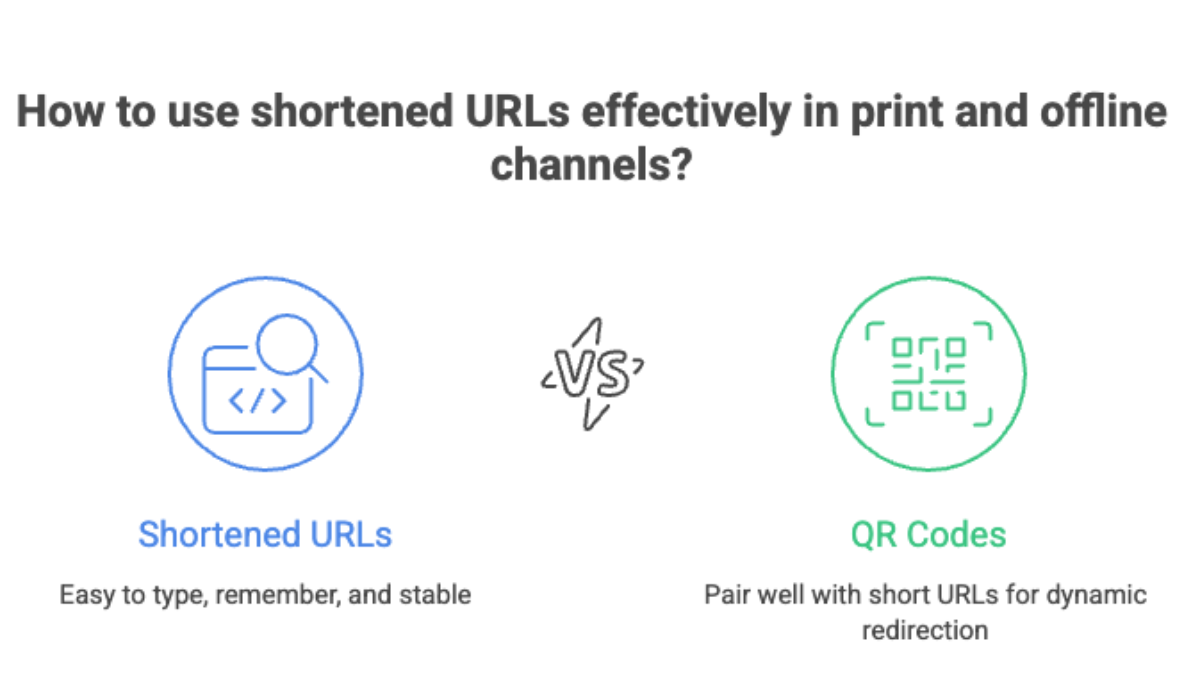
Here, the decision is less about if and more about how to use shortened URLs. You want links that are short enough to type, easy to remember, and stable. Many outdoor campaign playbooks now suggest a maximum of three to five short words or segments in the URL. For example, "go.agency.com/summer" or "brand.co/offer" is far easier to recall than a full campaign tracking link.
Short links pair well with QR codes. Most QR code generators let you paste a short URL as the target. When the short link redirects, you can switch landing pages while keeping printed codes in market. This is useful for long running events where you may want to move visitors from a registration page to a recap page using the same QR code on posters and banners.
Offline campaigns also benefit from per location tracking. You might print a different short URL on flyers for each store, or a unique short link for each conference booth. After the campaign, short link stats show which locations drove the most scans or visits without the cost of building separate landing page URLs for each.
Examples of successful URL shortening campaigns
Shortened URLs are part of many well known campaign stacks. Seeing a few patterns can help you decide how to use them in your own work.
One classic example is the use of branded short links by global brands on X. Bitly’s public case studies show companies like Nike and Disney using branded short domains to keep posts tidy while tracking clicks across regions. Their teams take one campaign landing page, wrap it in several region specific short links, and then compare click data with media spend to see where creative and offers resonate best.
Another pattern appears in B2B webinar and event promotion. A SaaS company might use one long registration link, then create separate shortened URLs for LinkedIn organic posts, paid campaigns, partner newsletters, and speaker profiles. After the event, they can tell exactly which source drove high intent sign ups. LinkedIn’s own marketing resources point to link and UTM tracking as a key part of measuring campaign impact on their platform, and short links help make that tracking clean.
Agencies that manage many clients often build a house system around short links. They pick a root domain, connect it to a URL shortener, and enforce a naming convention like "client slug" plus "campaign name". That way, "go.agency.com/brand launch" is easy to read but still unique per engagement. A guide such as The Ultimate Guide to URL Shortener Use can form the basis of this internal standard.
When you plan your own campaigns, define up front where shortened URLs will be used. For example, you might decide to always shorten links for social posts, print pieces, and influencer activity, and to keep full URLs behind buttons in HTML newsletters. That simple rule makes it easier for your team to stay consistent and avoids random link patterns that are hard to audit later.
Practical rules for when to use shortened URLs
To help your team decide quickly, here is a simple checklist you can apply to any campaign link.
- Is the link long or complex, for example with full UTM tags or IDs?
- Will users see and maybe type the link, such as on social, SMS, or print?
- Do you need per channel or per partner tracking on the same landing page?
- Can you use a branded short domain instead of a generic shared shortener?
- Is the channel’s spam filter unlikely to penalize short links, as in social?
If you answer yes to most of these questions, it is a good time to use shortened URLs. If not, a standard full link is likely fine, especially in email buttons or inside web pages where users do not need to see the raw URL.
Over time, you can connect your short link setup with broader tools. For instance, short URLs that point to pages managed in products like Commenda can help align content, offers, and measurement in one workflow.
Frequently Asked Questions
Key Takeaways
Shortened URLs are best used when links are lengthy or complex, particularly in social media, print, and influencer marketing. They help with tracking, branding, and improving engagement. Always prefer branded short links over generic ones to avoid spam issues in emails. Use them strategically as part of a clear campaign plan for maximum effectiveness.