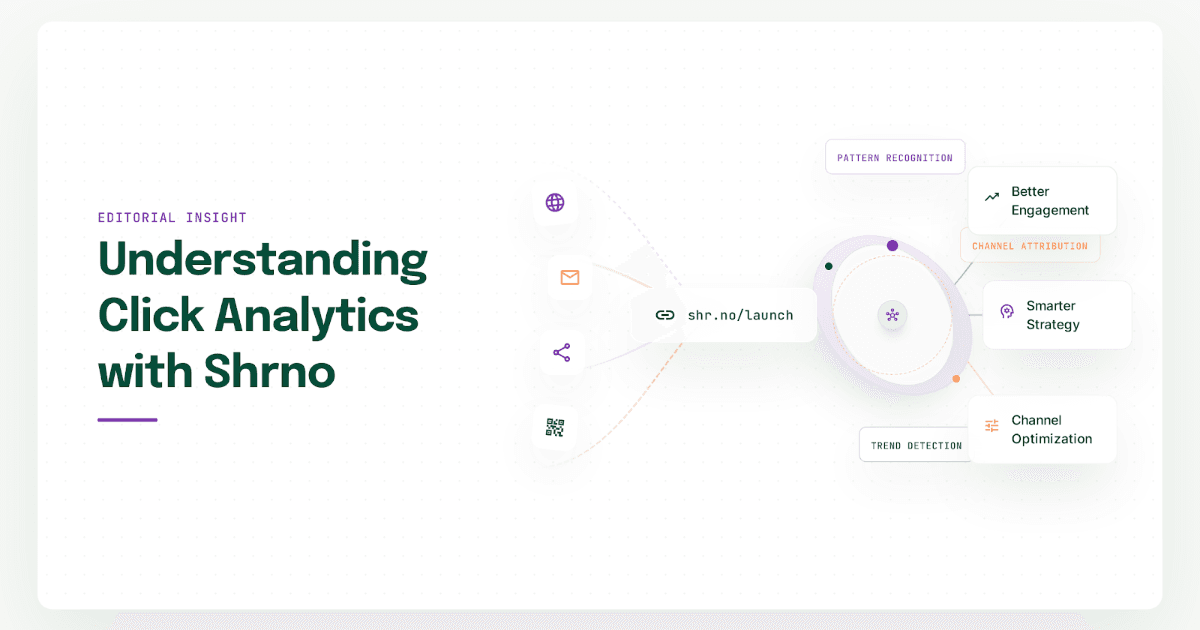
Click analytics Shrno helps you see what happens after someone taps a link. For marketing agencies, founders, and creators, that means faster feedback on which posts, ads, and channels drive action.
If you want the basics first, start with Creating Your First Shortened URL with Shrno: A Practical Guide and How URL Shortening Works: A Technical Breakdown for Marketing Teams. They give useful setup context before you dig into reporting.
Introduction to Shrno's analytics features
Shrink a long link, share it, and track the result. That is the core value of Shrno analytics. The best part is not the click count alone. It is the pattern behind the clicks.
Good link data shows where traffic comes from, when people click, and which campaign gets traction. Google explains that measurement works best when events are tagged and grouped clearly in reports, which is why clean link tracking matters so much in marketing workflows. You can also compare what you see with GA4 guidance from Google Analytics help and campaign rules in UTM parameters support.

Key metrics to track for shortened URLs
Not every metric deserves equal attention. Start with the few that tell you whether a link is doing useful work.
- Total clicks: the raw demand signal for a link.
- Unique clicks: a better view of how many people engaged.
- Click-through rate: useful when you compare clicks to impressions or sends.
- Top referrers: shows which sites or apps send traffic.
- Time of day: helps you post when your audience is active.
- Geo data: useful for regional campaigns and launch timing.
For teams that run paid and organic campaigns together, this is where click analytics Shrno becomes practical. You can spot the post that earned the most clicks, then check whether those clicks came from the right audience.
A small but useful habit is to pair each short link with one campaign name and one purpose. For example, one link can be for a webinar signup, and another can be for a product waitlist. That keeps reporting clean.
Using click analytics Shrno to improve URL strategy
Better reporting should change what you do next. If a short link underperforms, do not just blame the creative. Check the placement, the message, and the landing page fit.
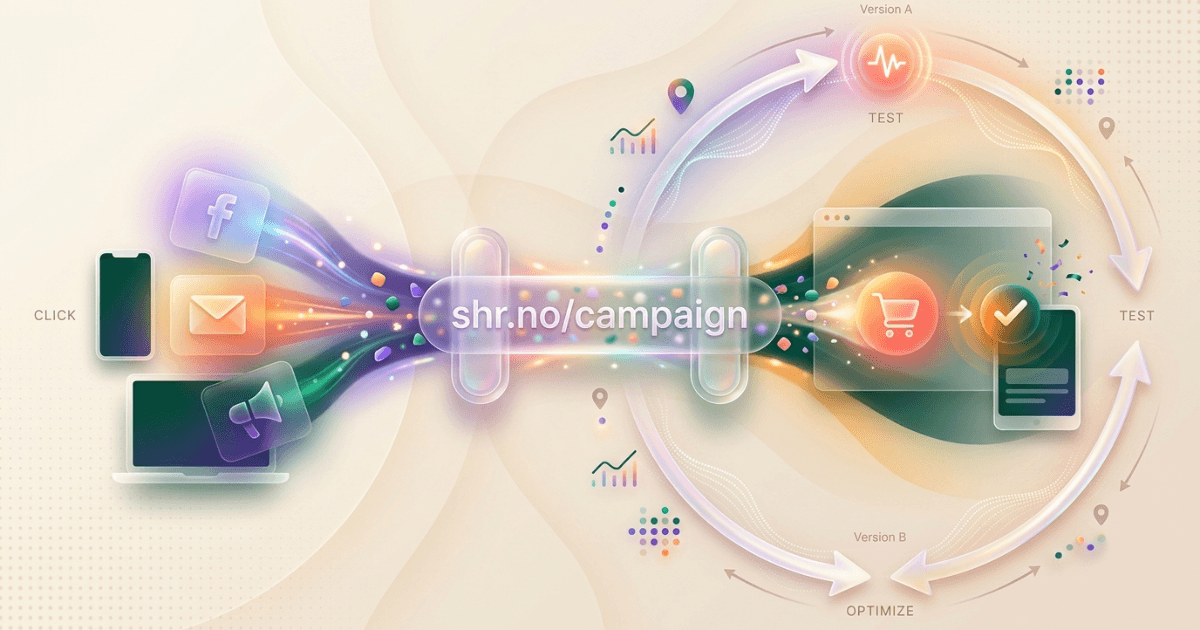
This is where URL strategy becomes a loop. You test a link, read the result, then revise the next one. Over time, the data shows which channels deserve more effort and which formats waste attention.
For example, if LinkedIn posts bring stronger clicks than email, you may want different preview text for each channel. If one influencer partnership drives a spike at night, you may schedule future drops for that window.
If you want a broader strategy view, the post When and Why to Use Shortened URLs in Modern Marketing is a good companion read. It helps teams choose where shortened URLs add the most value. For a security-first angle, How to Keep Your Shortened URLs Safe: A Practical Guide for Engineers is also worth bookmarking.
Common challenges in URL analytics and how to overcome them
The most common problem is messy tagging. When one team uses UTM names one way and another team uses them differently, reports stop being trustworthy.
Another issue is duplicate traffic. A link can be copied into several channels, which makes source data harder to read. The fix is simple: create a separate short link for each placement when the channel matters.
A third issue is weak landing pages. Strong clicks do not help if the page loads slowly or misses the promise in the post. Google’s page experience docs make clear that speed and usability shape outcomes, so pair link analytics with page checks. You can review the basics in web.dev’s Core Web Vitals guide.
Teams also struggle with too much data and too little action. Pick one decision per report. That could be the best channel, the best time slot, or the best message angle.
Real-world examples of analytics-driven URL strategy
A product launch team can use click data to compare teaser posts across X, LinkedIn, and email. If the LinkedIn link wins by a wide margin, the team can shift budget and posting time there.
An influencer can test two short links in one campaign. One can point to a shop page. The other can point to a waitlist. The winner shows which offer fits the audience best.
A marketing agency can create unique links for each client channel. That makes monthly reporting faster and clearer. It also helps prove which campaigns deserve more spend.
For teams building a wider system, Mastering URL Shorteners: Benefits, Tools, and Best Practices is a useful next step. If you want the product itself, see Shrno.
FAQ
Frequently Asked Questions
Click analytics Shrno is most useful when you treat it as a decision tool, not a vanity report. The goal is to learn faster, then ship better links next time.